
Sound, marked surface
A skim may be suitable when the existing plaster is firm and reasonably even.
Signature Plastering Leeds
Tired, uneven or damaged walls need the right preparation as well as a smooth finish. Signature Plastering carries out wall plastering in Leeds, from a skim over sound plaster to local repairs and full-wall replastering. The existing surface determines which approach is suitable.
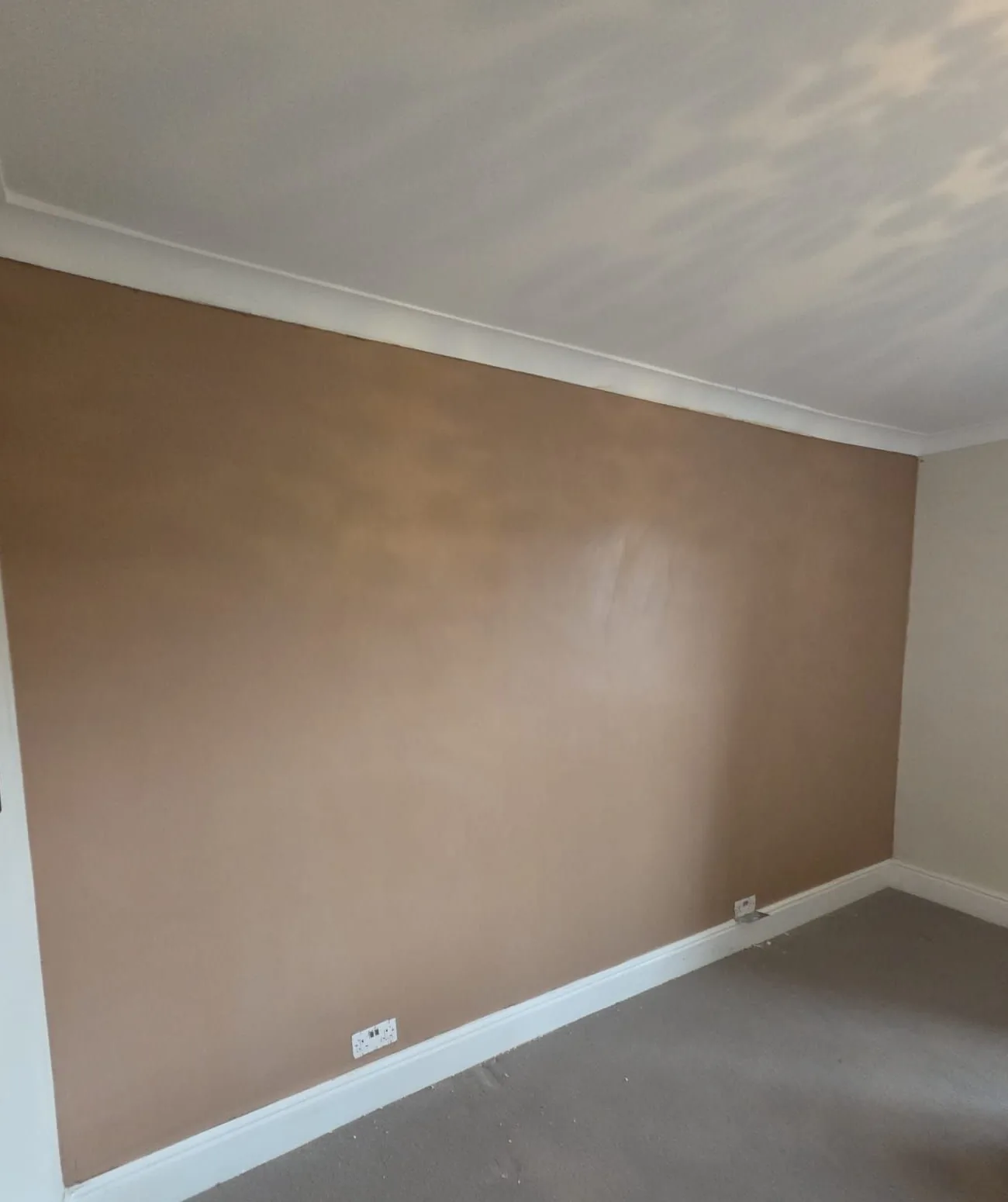
Wall plastering
A new finish is only as dependable as the surface beneath it. The wall material, how firmly old plaster is attached, and any signs of moisture or movement all matter when choosing the work.
Tell us about your projectA wall can look rough while the plaster beneath the paint remains firmly attached. Another may appear mostly sound but have hollow, loose or cracked areas that need attention before a new finish will hold. What sits behind the surface matters as much as its appearance.
Note whether the damage is isolated or spread across the wall, whether cracks have returned, and whether there has been a leak or recent building work. Any ongoing moisture or movement should be understood before it is covered with fresh plaster.
A skim may be suitable when the existing plaster is firm and reasonably even.
A local repair may work when the surrounding plaster is stable.
More preparation or replastering may be needed to create a sound base.
These are different levels of work. A skim is a thin finishing coat over a suitable base; it improves the surface but does not secure plaster that is loose behind it. A repair deals with a defined damaged area, and the match to surrounding paint or texture can vary with the age and finish of the rest of the wall.
Full-wall replastering is considered when the existing plaster has failed more widely, the wall is badly uneven or a renovation has exposed an unsuitable base. Loose material may need to be removed and the background prepared before a new plaster build-up is chosen. Read about plaster skimming and plaster repairs.
A fresh finish over sound plaster or another suitable, prepared surface.
A localised fix for damage, with the surrounding area checked for stability.
A wider scope where the old finish or background needs more substantial work.
Preparation depends on the background. Loose plaster, flaking paint and wallpaper residue can affect adhesion and need to be dealt with; bare masonry, old plaster and plasterboard each need a suitable preparation. Deep hollows or damaged areas may need more than a finishing coat.
If the wall has been opened for electrical or plumbing alterations, arrange for that work to be complete before plastering is scheduled. Mention sockets, reveals, wall edges and any remaining fittings when discussing the scope, so the making-good required is clear.
If you need new boards rather than only a plaster finish, see plasterboarding and dry lining. For electrical chases and disturbed socket areas, explore plastering after rewiring.
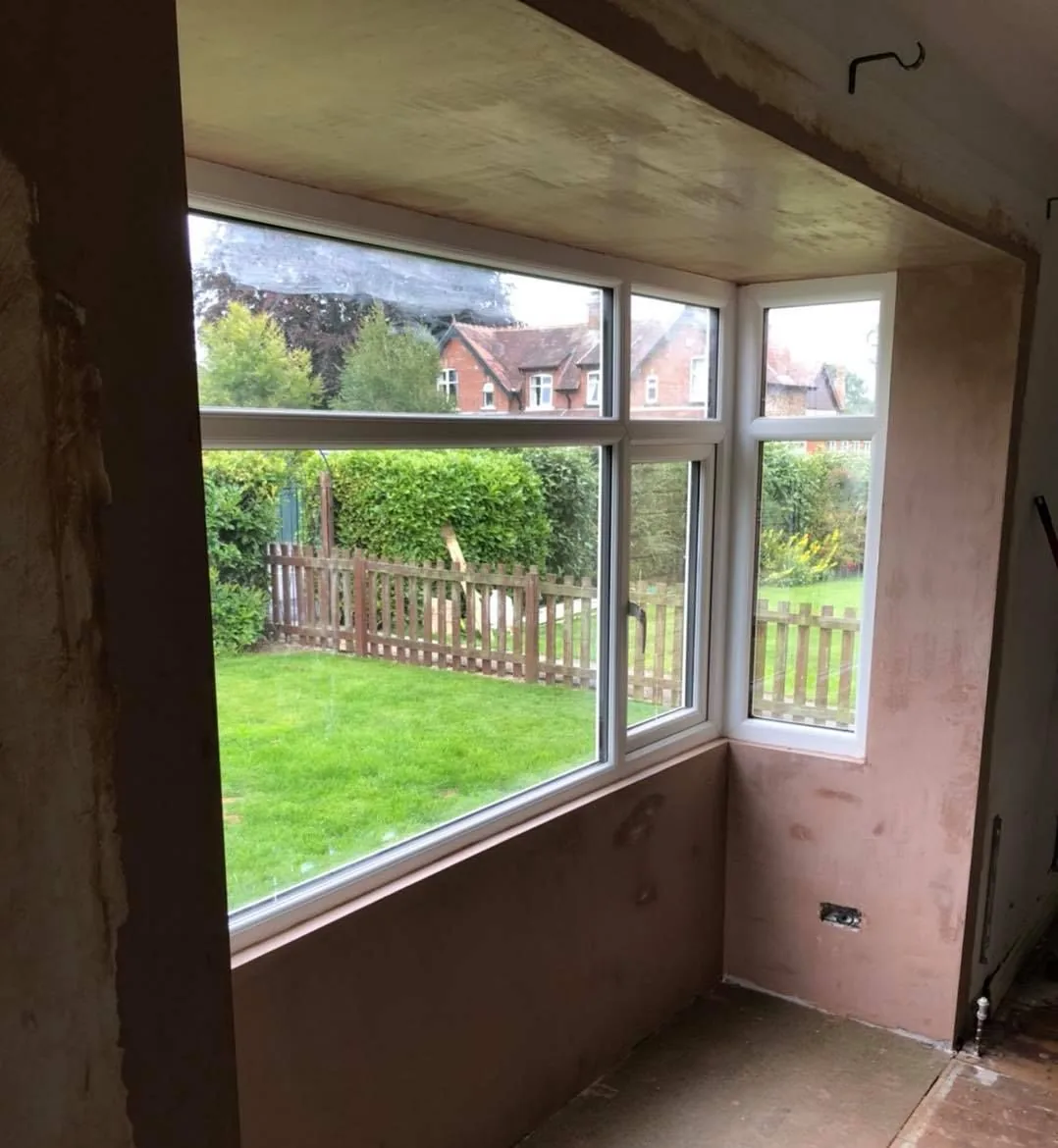
A useful quote takes account of the wall area, the background and its condition, the amount of loose plaster to remove, and the preparation needed. Access, corners, reveals, edges and making good around alterations can also affect the work involved.
For an initial discussion, send your postcode, the room, how many walls need attention and a short description of the surface. A few clear photographs can help show the scale and condition, although they may not reveal everything behind the existing finish. There is no reliable one-price-fits-all figure for a wall without understanding its condition and scope.
Fresh plaster needs to dry fully before it is painted or wallpapered. The time varies with the plaster build-up, the wall, room temperature and ventilation, so do not rely on a fixed number of days or cover damp plaster to speed up decorating.
When the colour is consistently pale and the surface is dry, follow the plaster and paint manufacturers’ instructions for preparing and decorating new plaster. If you are arranging other trades, allow plastering and drying time for the finish before scheduling the final decoration.
Good to know
Practical answers before you arrange a quote.
Skimming is a thin finishing coat over a sound, prepared base. Replastering involves more extensive work when the existing plaster or the background needs attention. Loose or badly uneven plaster should be assessed rather than covered with a skim alone.
It depends on the paint and the condition of the wall. Flaking or loose coatings and wallpaper residue need to be removed, and the remaining surface must be suitable and prepared for plaster. The right preparation depends on the background.
Sometimes. A local repair may be suitable if the surrounding plaster is firm and the cause of the crack is not ongoing. Recurring cracks, movement or a wider area of loose plaster need further assessment before deciding the extent of work.
Wallpaper and paste residue can interfere with adhesion, so they usually need to be removed from the area being plastered. If the wall has layers of paper or damaged plasterboard beneath it, mention that when arranging a quote.
There is no fixed drying time. Thickness, background, temperature and ventilation all affect it. Wait until the plaster is fully dry and follow the product instructions before decorating.
Send your postcode, the room and walls involved, what the existing surface is like, and any cracks, loose areas or known water damage. Photos and approximate wall dimensions can help explain the job.
Start a conversation
Share your Leeds postcode, the rooms and walls involved, and what the surface is like. Photos can help us understand the job before we discuss the next step.