
Skimming
A finish coat over a firm, prepared wall or ceiling.
Signature Plastering Leeds
If the plaster is firmly attached but the surface is rough, marked or dated, skimming may provide the fresh finish you need. Signature Plastering carries out plaster skimming in Leeds on suitable, prepared walls and ceilings, after considering the condition of the existing surface.
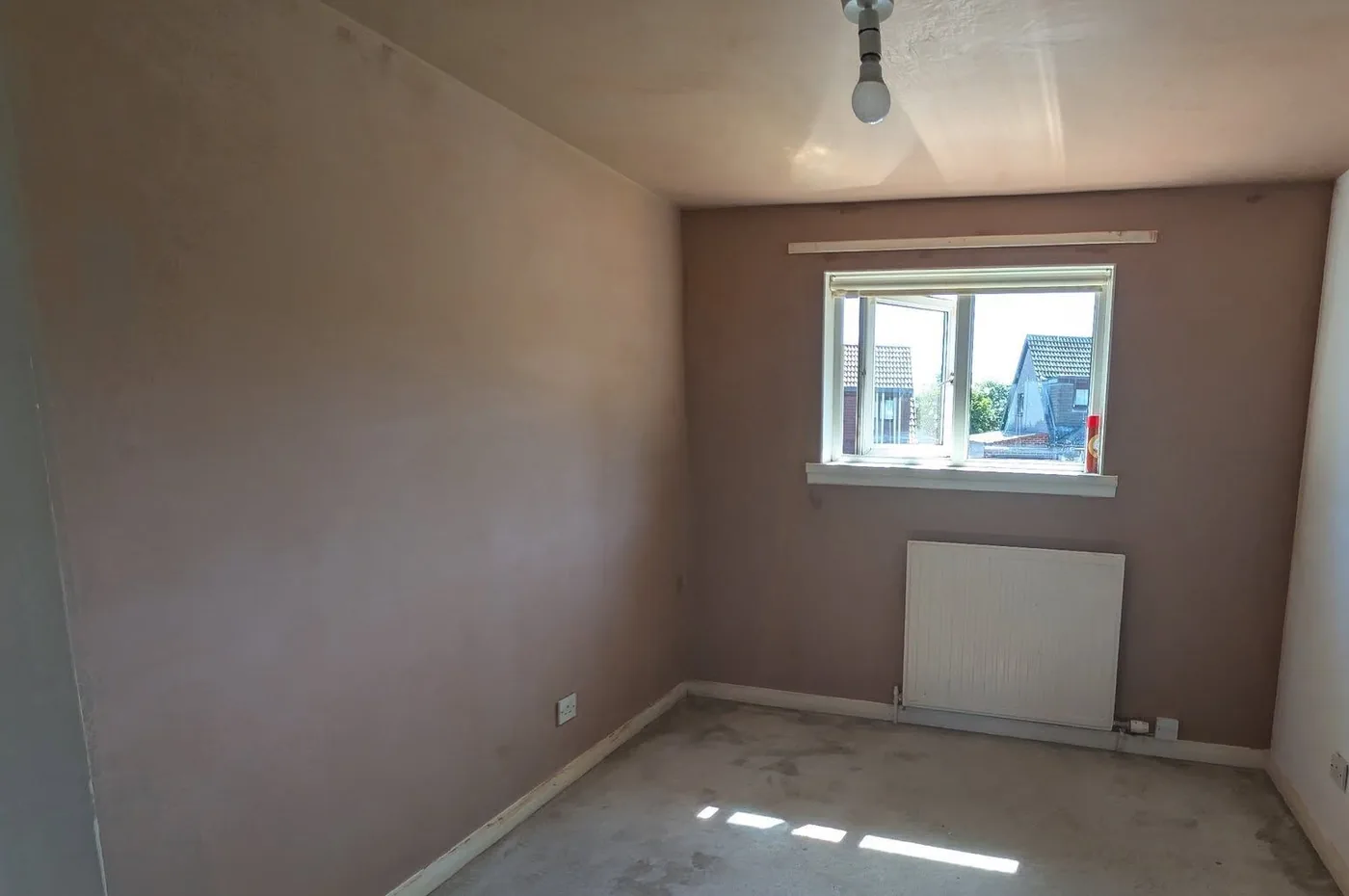
Plaster skimming
Skimming is a finishing coat, not a cure for loose plaster, damp or deep unevenness. The base must be sound and prepared so the new plaster can be applied appropriately.
Tell us about your projectA skim is a thin finishing coat applied to a suitable background. It can refresh sound plaster or provide a smooth finish over suitable plasterboard after the surface has been prepared.
It is different from full replastering, which involves a wider scope where the plaster or background needs more substantial work. It is also different from a local repair, which addresses a defined defect. Loose, damp or badly uneven areas should be dealt with before a skim is considered.
For a newly boarded surface, see plasterboarding and dry lining. Where electrical chases need making good, our plastering after rewiring guide explains the repair and finishing choices.
A finish coat over a firm, prepared wall or ceiling.
A local fix where the surrounding plaster remains sound.
More extensive work when the existing plaster or background needs it.
The surface is checked for loose or flaking material, dust, grease, wallpaper and paste residue, damaged board paper and cracks. Material that could undermine the new finish needs to be removed or addressed, and the remaining base made suitable.
Walls and ceilings absorb moisture differently. The background’s suction and condition affect the preparation method and plaster system. This is why a painted wall, old plaster and new plasterboard should not automatically receive the same treatment.
A thin finish coat follows the shape of the background; it cannot reliably correct a badly uneven wall or secure plaster that has detached. If an area sounds hollow, moves, has water damage or keeps cracking, explain that before work is planned.
A local defect may need a plaster repair. A wider wall problem may call for wall plastering, while ceilings have different access and preparation considerations described on our ceiling plastering page.
Firm plaster or suitable board can be prepared for a new finish.
Repair the weak area rather than hiding it under a skim.
Discuss the full surface before agreeing a finishing coat.
A smooth plaster finish is viewed in the light available in the room. Strong daylight, wall lights and grazing light can make small variations more noticeable, particularly on broad surfaces. Discuss any particular finish expectations before work starts.
Edges, internal corners, window reveals, sockets, skirting and transitions to adjoining surfaces affect the preparation and finishing time. Mention changes to the room or other trades so the work can be coordinated.
Plaster must dry fully before decorating. The background, coat thickness, room temperature and ventilation all affect how quickly moisture leaves the surface. Allow steady ventilation, avoid forcing the process with direct heat and follow product guidance for paint preparation.
A quote depends on the area, whether walls or ceilings are included, background condition, preparation, access, edges and the finish required. Your postcode, room dimensions, current surface and photographs help explain the project; a photo may not reveal hidden or loose areas.
Good to know
Practical answers before you arrange a quote.
Sometimes, after the paint and wall have been checked and prepared. Flaking coatings, grease, wallpaper residue or a weak base can prevent a suitable finish and need attention first.
No. Skimming is a finishing coat over a suitable base. Replastering is a broader scope where more of the existing plaster or background needs work.
Suitable, securely fixed plasterboard can receive a plaster finish when the joints and surface are prepared for the chosen system.
It may cover a stable, prepared surface, but it will not resolve movement or loose plaster. Recurring cracks should be understood before a finish is applied.
Drying varies with thickness, background, temperature and ventilation. Wait until it is fully dry and use the relevant product guidance before decorating.
Wallpaper and paste can affect adhesion, so they generally need to be removed from the area being plastered. Damaged plasterboard beneath paper should also be mentioned when arranging a quote.
Start a conversation
Tell us whether you need walls, ceilings or both, what finish is there now and whether there are loose or damaged areas. Include your postcode and room dimensions if available.