
Small isolated damage
A defined patch may be repaired if the surrounding plaster is sound.
Signature Plastering Leeds
Cracks, holes and damaged plaster do not always mean an entire room needs replastering. Signature Plastering carries out plaster repairs in Leeds, with the repair area and surrounding surface considered before a local fix or wider work is discussed.
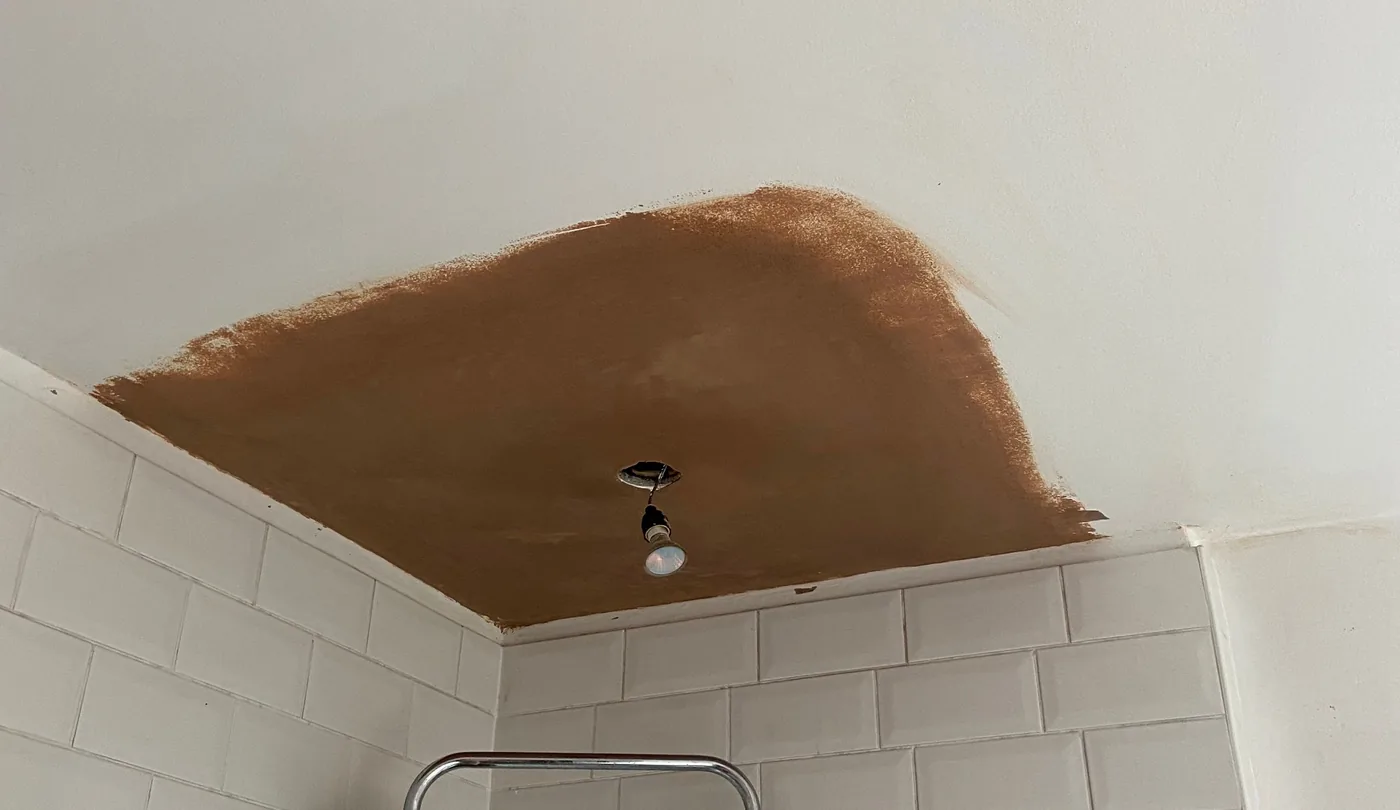
Plaster repairs
A repair is more likely to hold when the plaster around it is sound and the cause of the damage has been addressed. Ongoing movement, leaks and damp should be explained before the affected surface is refinished.
Tell us about your projectA repair may suit a small hole, a damaged corner or a defined patch where the plaster around it remains firm. The affected material is prepared back to a sound edge and the area made good to suit the surrounding surface.
A local patch is not always the best choice. Widespread loose plaster, repeated cracking, a soft or damp surface, or a large area of failed finish may need more extensive attention. The scope should follow the condition rather than the appearance of one visible mark.
If the damage follows electrical work, see plastering after rewiring for first-fix timing and local repair versus full-wall skimming.
A defined patch may be repaired if the surrounding plaster is sound.
The cause and any movement should be understood before making good.
Several weak areas may point to a broader replastering requirement.
A hole left by a fitting or alteration needs stable edges and a suitable base before it can be filled and finished. A crack needs consideration of its pattern, width, history and whether it is still moving. A surface repair may not last if movement continues.
Where water has affected plaster, fix the source and allow the area to dry before deciding on a repair. Replastering over active damp or a leak can leave the original problem unresolved. If the cause is unclear, get it investigated before finishing the surface.
The repair method depends on the substrate and surrounding finish. Loose material, damaged board paper, dust, paint and wallpaper residue can all affect preparation. The damaged area should be made sound before a new material is applied.
A repaired patch can look different from the surrounding surface, particularly where the existing wall has texture, age, paint variation or previous repairs. Painting a complete wall or ceiling may give a more consistent appearance than touching in only the patch; agree the expected finish before work starts.
A repair addresses a local defect. Skimming applies a finish coat across a suitable surface. Replastering involves broader work where the plaster or background is failing over a larger area. The right scope depends on how much of the surface is sound and what finish is needed.
For broader work, see wall plastering, ceiling plastering or plaster skimming. A description and photos can help start the discussion, but hidden damage may only become clear when the area is assessed.
A defined damaged area with stable surrounding plaster.
A fresh finish over a sound, prepared wall or ceiling.
Wider work when the existing surface or background has failed.
The size and depth of damage, wall or ceiling location, substrate, access, preparation and finish all affect the job. A repair near corners, reveals or fittings can take different preparation from a flat, open patch.
For an initial quote discussion, share your postcode, photographs with some context, approximate dimensions and what caused the damage if known. Mention whether it has been repaired before, whether the crack is changing, and any signs of water or damp.
Repair materials and new plaster need to dry as directed before painting. The time depends on material, thickness, background and room conditions. Follow the product guidance and avoid sealing a damp repair under paint.
Even when the patch is sound, a difference in texture or colour can remain visible under some lighting. Decorating the full wall or ceiling may be needed for a uniform appearance, depending on the existing finish and paint.
Good to know
Practical answers before you arrange a quote.
Often, if the damage is isolated and the surrounding plaster is sound. Larger or repeated areas of failure may need more extensive work.
A stable crack may be repaired after suitable preparation. If it keeps returning or the surface moves, the cause should be assessed before the finish is restored.
Once the source of water has been fixed and the affected area is dry, the plaster can be assessed. Replacing or repairing a finish before the cause is resolved may not last.
A repair can be finished to suit the surrounding surface, but differences in texture, age, light and paint can remain visible. Repainting the whole wall or ceiling may give a more even result.
Photos and dimensions can help with an initial discussion. If the substrate, cause or extent of hidden damage is unclear, the area may need to be assessed before the scope can be confirmed.
Wait until the repair material is fully dry and follow its product instructions. Drying depends on the material, depth and room conditions.
Start a conversation
Include your postcode, whether the damage is on a wall or ceiling, its approximate size and what may have caused it. Photographs can help explain the repair area.